
Drugs I: Exposure
Before the cradle, beyond death
We accept some drugs as care, and condemn others as criminal. The foundations for this kind of thinking start before we’re even born.
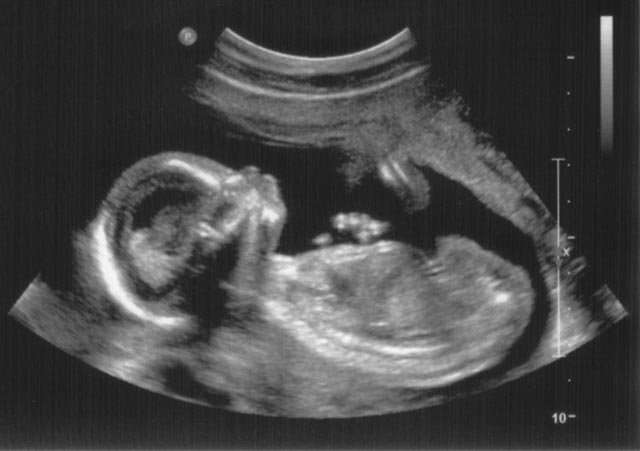
Pregnant women are often advised to continue taking prescribed medication for conditions like asthma, epilepsy, diabetes, or mental health, to keep themselves and their babies safe. From the very beginning, decisions about substances are shaped by advice, trust, relationships, and circumstances, not just by individual choice.
Changing substance use during pregnancy can be hard. Trauma, stress, a partner’s use, and life circumstances don’t pause just because someone is pregnant.
There’s evidence that even a father-to-be smoking tobacco can make it more likely a child will smoke later in life, partly because of biological changes before birth and partly because smoking becomes normal in the home.
Some babies are born with Neonatal Abstinence Syndrome (NAS), meaning they may need extra care after birth because of substances they were exposed to during pregnancy, including some medicines their mother was prescribed and took in good faith. It’s a health issue that reflects how common medication and substance use already is, even before a child is born.
Babies and children are given vaccinations to prevent illness later. Most of us don’t question this, because we trust the science behind it and accept these substances as protection for ourselves and for others. We don’t usually think of this as drug use, but it shapes how we understand medicine, risk, and care from the very start.
Parents having friends over for drinks or a few bongs can colour a child’s view of drug use. It teaches what is normal, what is private, and what is spoken about openly, long before any formal education does.
By our teens, most of us already have a complex relationship with drugs, shaped by what we see, the rules we’re told to follow, and the expectations of our families and friends, even if we don’t use them. Smoking and drinking among young people have declined across Europe and Australia, but new risks are emerging. Vaping and the non-medical use of prescription medicines are becoming more common.
Government rules can make these behaviours far more dangerous than you might think. In Australia, before vaping was hit with blanket bans, products at least sat within a regulatory grey zone with some standards. Now much of what’s available is unregulated and opaque - full of fuck-knows-what.
The same thing happened with what were called “head shops” in the UK. They sold regulated alternatives to illicit drugs. That didn’t make them safe, but you usually knew what you were getting. When those markets were shut down, risk didn’t disappear; it just went underground.
By adulthood, drug use is normalised. Caffeine to wake up. Alcohol to wind down. Painkillers to get through work. Antidepressants to stay functional. Stimulants to focus, sedatives to sleep. These substances are simply part of daily life.
We draw a line between “medication” and “drugs,” but in practice many people are simply managing stress, expectations, and exhaustion with what is available and socially accepted. The distinction isn’t pharmacological. It’s cultural, enforced by authority.
At the same time, we are taught fear. Drugs, illicit drugs, are framed as moral temptations rather than tools or technologies. Illicit drug use is cast as personal failure, not as an accessible alternative to the substances society already promotes.
The same culture that normalises daily chemical intervention draws a thick red line at unsanctioned use.
Rites of passage make this contradiction visible. In many cultures, substances mark transition: adulthood, grief, celebration, communion. In the Western world, alcohol tends to fill this role.
A first drink. A toast. A wedding. A wake. Intoxication is not only permitted; it is expected, as long as it follows the right script, in the right places, with the right people.
In Australia, there’s even a word used to denigrate non-drinkers: wowser: someone who disapproves of people enjoying themselves, particularly if that enjoyment involves alcohol.
Deviate from the script, and the meaning changes instantly.
In other parts of the world, in other societies, rites involve plants, brews, smoke, ceremony. These are often dismissed as primitive or mystical, until they are repackaged and trialled under fluorescent lights. Then they become innovations. Treatments. The substance does not change. The setting does. So does the story we tell about it.
Pleasure, meanwhile, is policed. You may numb yourself to keep working. You may not do it simply to feel different. One form of relief is respectable; the other is suspect.
Old age exposes the hypocrisy most starkly. As bodies fail and horizons shrink, medication multiplies. Pills for blood pressure, pain, sleep, mood. Yet the idea that someone nearing the end of their life might want to feel good, not just stable, remains controversial. The question of whether the elderly or palliative should be allowed to get high is treated as a moral dilemma rather than an act of mercy, an act of respect.
Why is relief acceptable only when it aims to prolong life and not to make it bearable, or even fun? Why is sedation kinder than euphoria? Why is suffering dignified, but joy suspicious?
From cradle to grave, drugs are everywhere. They shape how we live, how we heal, how we cope, how we mark time, and sometimes, how we die. But who is trusted to decide? Who must justify themselves? Whose altered state is medical, and whose is criminal?
Even after death, our relationship with drugs doesn’t always end. Bodies donated to medical science may be used to study medications, treatments, and how substances affect the human body. In that sense, drug use extends beyond life itself, not for pleasure or survival, but to help care for those who come after.
This is where any honest conversation about drugs has to begin. Not with panic. Not with morality tales. But with the simple acknowledgement that we have never lived drug-free lives. We have only lived under different rules about which drugs count, and who gets to choose.
This is the first entry in a short series on drugs, harm, and the stories we tell ourselves about them.