
Seven Deadly Sins, Part 5: Spectacle
Everything becomes easier not to truly care about when no one can tell the difference between a crisis and a show.
When Shakespeare said “all the world’s a stage,” he had no idea just how right he’d end up being. Some days it feels like the whole planet’s morphed into a giant stage show and none of us remembers signing the contract.
Police chases, surgery, poor people are lined up for the camera, their lives flattened into either a cautionary tale or an inspirational misery-tour. Someone’s most private heartbreak becomes a 12-episode podcast. And we lap it up like its premium entertainment.
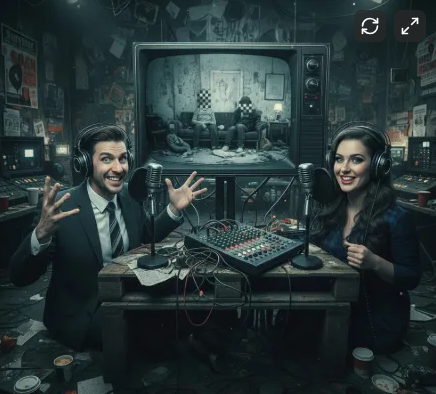
Because now, engagement is the only metric that matters, and nothing pulls numbers like other people’s suffering.
Public suffering as entertainment isn’t new. People used to pack town squares to watch executions, whole families turning up early to get a good spot. Vendors sold ale. Kids sat on their parents’ shoulders. When the guillotine was working overtime in Paris, the crowds came daily, knitting and gossiping as heads dropped into baskets. In London, people treated hangings like theatre, cheering, jeering, rating the performance of a man’s final moments. We like to pretend we’ve evolved past that. We haven’t. We’ve just moved the scaffold onto screens, given it better lighting, better angles, and an algorithm that knows exactly when to zoom in.
We can watch war in real-time. Drone footage cut like movie trailers. TikTok soldiers doing transitions. People picking sides based on memes. Civilians die, and the algorithm clocks it as content, and people can’t get enough.
You cheer your side, boo the other side, and seconds later, a cooking video replaces a missile strike. It’s obscene, but also brutally efficient: emotional whiplash keeps you scrolling.
Every day, millions of people wake up, pop in their earbuds, and let a stranger whisper murder into their skulls. Bodies in bathtubs on your morning walk. Blood stains described while you scrub wine out of a shirt. All of it serialised for your entertainment.
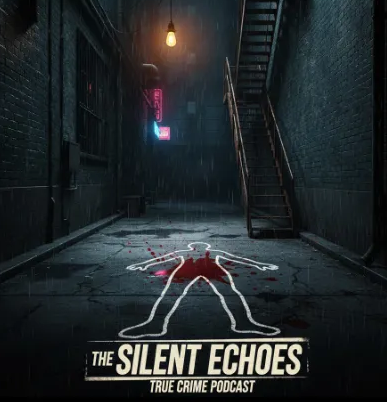
There’s an entire industry built on dead and missing women. Podcasts that turn real people into plot points and violent men into characters with arcs. Listeners convince themselves it’s “raising awareness.” It’s not. It’s voyeurism. And real violence slowly loses its horror, drowned in repetition, by sheer volume, a kind of snow-blindness where the brutality stops looking real at all.
The algorithm keeps us on the hook, so every day it serves up a new villain-of-the-hour. A politician. A stranger. A celebrity. Doesn’t matter. What matters is that you feel something sharp and useless. It’s dissent sedated to a pastime - safe, contained, directionless. Venting instead of organising. A protest without an outcome. The spectacle has us loud but ineffective, furious but static.
Somewhere along the way, we forgot that we’re not just the audience - we’re also the content. Our reactions, our grief, our outrage, our numbness. The spectacle feeds on our emotional debris. It wants us stunned, scrolling, performing.
That’s the real sin. Everything becomes easier not to truly care about when no one can tell the difference between a crisis and a show. When everything is performance, nothing demands action.
The spectacle keeps us entertained, devastated, obedient.
Hell of a trick, isn’t it?
But the spectacle only works if we play along. The moment we stop performing, stop reacting on cue, stop letting ourselves be flattened into an audience of one, something cracks. The trick stops being a trick.
We can choose to pay attention with intention, not reflex. To look past the show and see the people.
To refuse numbness.
To care anyway.