
Drugs 3: Supply
Follow the money
We’re told the drug user is the danger. It sells papers and gives power an enemy it can punish. But the real danger isn’t demand. It’s supply.
Criminalise a market and it doesn’t vanish. It’s handed to the least accountable actors. No standards. No recalls. No labels. No duty of care. Just profit. Without prohibition, there is no Al Capone.
When substances are illegal, everything downstream gets dirtier and harder to predict. Markets optimise for concealment and potency, not safety. Small volumes. Big hits. Faster profits. It’s easier to move a pound of fentanyl than fifty pounds of heroin.
Every consequence we call inevitable is, in fact, legislated.
And then there are the legal dealers.
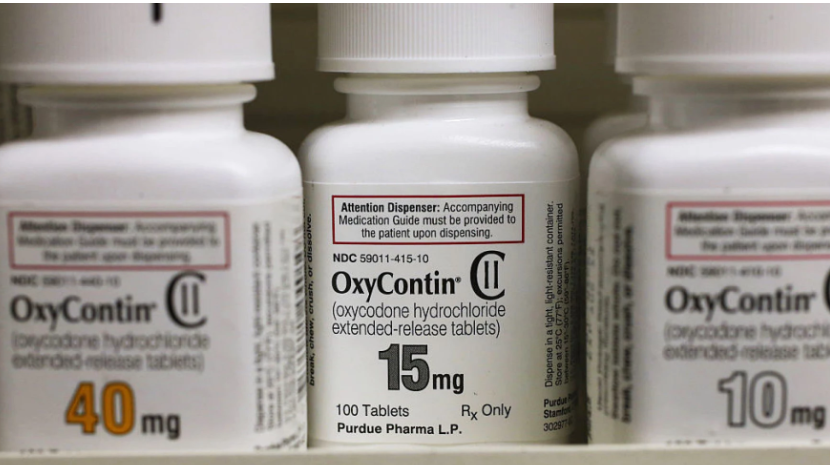
The opioid crisis didn’t “emerge”. The Purdue Pharma scandal wasn’t an unforeseeable outcome. It was manufactured through the deliberate, aggressive marketing of OxyContin, carried out with full knowledge of the harm it would cause. In just over two decades, drug overdoses have killed as many Americans as all U.S. wars combined since the start of the Revolutionary War in 1775.
Over the same period, more than 42,000 Australians have died from overdose, a national toll that rivals other major causes of preventable death.
Australia has tightened rules around opioid prescribing in recent years, but the deaths didn’t stop. They shifted, from pharmacies to the street, from known doses to unknown ones.
Strip away the branding and respectability and the truth is simple. The Sackler family ran one of the largest drug operations since the Opium Wars.
We’re told the problem is illicit drugs, while one of the most lethal drug operations in modern history operated openly, legally, and profitably, complete with sales reps, sponsored conferences, and regulatory cover. No raids. No kingpins in cuffs. Just fines, settlements, and fortunes intact.
This is what “safe supply” looks like under capitalism without accountability. The lesson of Purdue isn’t that regulation failed. It’s that selective regulation protects power. Street dealers get cages. Corporate dealers get lawyers. Both sell drugs. Only one gets called legitimate.
OxyContin didn’t just create profit. It created dependence. Patients were told it was safe, non-addictive, a modern solution to pain. When the tap was turned off, people were abandoned. Cut loose from a pharmaceutical supply they’d been pushed onto, many were left with one option: the street. Same need. Far deadlier market. Unknown strength. Unknown contents. Zero safety net. That wasn’t a failure of character. It was a forced migration.
Corporate supply created the demand, then prohibition ensured the consequences landed elsewhere. Pharma lit the fuse. Policy made sure the explosion happened among the poor, the sick, and the disposable, then blamed them for being where they were forced to be.
“Addicts” created in doctors’ offices are managed in prisons. Pain is medicalised, then criminalised, then warehoused.
This isn’t a failure of the system. It’s industrial processing. People are the product. Pharma extracts profit from their bodies as patients. Police and courts extract profit from the same bodies as criminals. Then they’re recycled again into the prison industry as convicts. The system simply moves people from one revenue stream to the next. Meat taken from the animal. The carcass turned into fertiliser. Nothing is wasted.
Run one person through this system and the money stacks fast. In the United States, tens of thousands go to prescriptions and medical visits, often $50,000 to $200,000 over years. Policing, courts, legal aid, fines, and supervision add another $20,000 to $100,000. Prison is where the real money sits, around $120,000 to $150,000 per year, and most people don’t go once. Two to five years across a lifetime pushes the total to $400,000 to well over $1 million per person. Not because anyone planned recovery to fail, but because recycling people through drugs, courts, and prisons is far more profitable than helping them stop.
People are the product, moved from one revenue stream to the next.
This isn’t just an American story. Australia runs the same system, just with a quieter accent. Pharmaceutical profits flow through the PBS. Police, courts, and prisons absorb the fallout. Billions are spent each year criminalising people whose dependence was first medicalised, then abandoned. Different names. Same supply chain.
Multiply that by tens of thousands of people moving through the system and you’re no longer talking about a crisis. You’re talking about tens of billions of dollars, every year, extracted from the same bodies, over and over.
Follow the money and the pattern is clear. Drugs cross borders because prohibition makes them small, potent, and profitable. Nitazenes, fentanyl, and whatever comes next aren’t policy failures by accident. They are the predictable result of laws that prioritise punishment over health. Every consequence we claim is inevitable is, in fact, legislated. Better laws, regulated supply, and a health-focused response could collapse this market overnight. Instead, we choose chaos, then blame the dead.
This is the third entry in a short series on drugs, harm, and the stories we tell ourselves about them.